Agrasen Ki Baoli — Delhi's Most Mysterious Stepwell
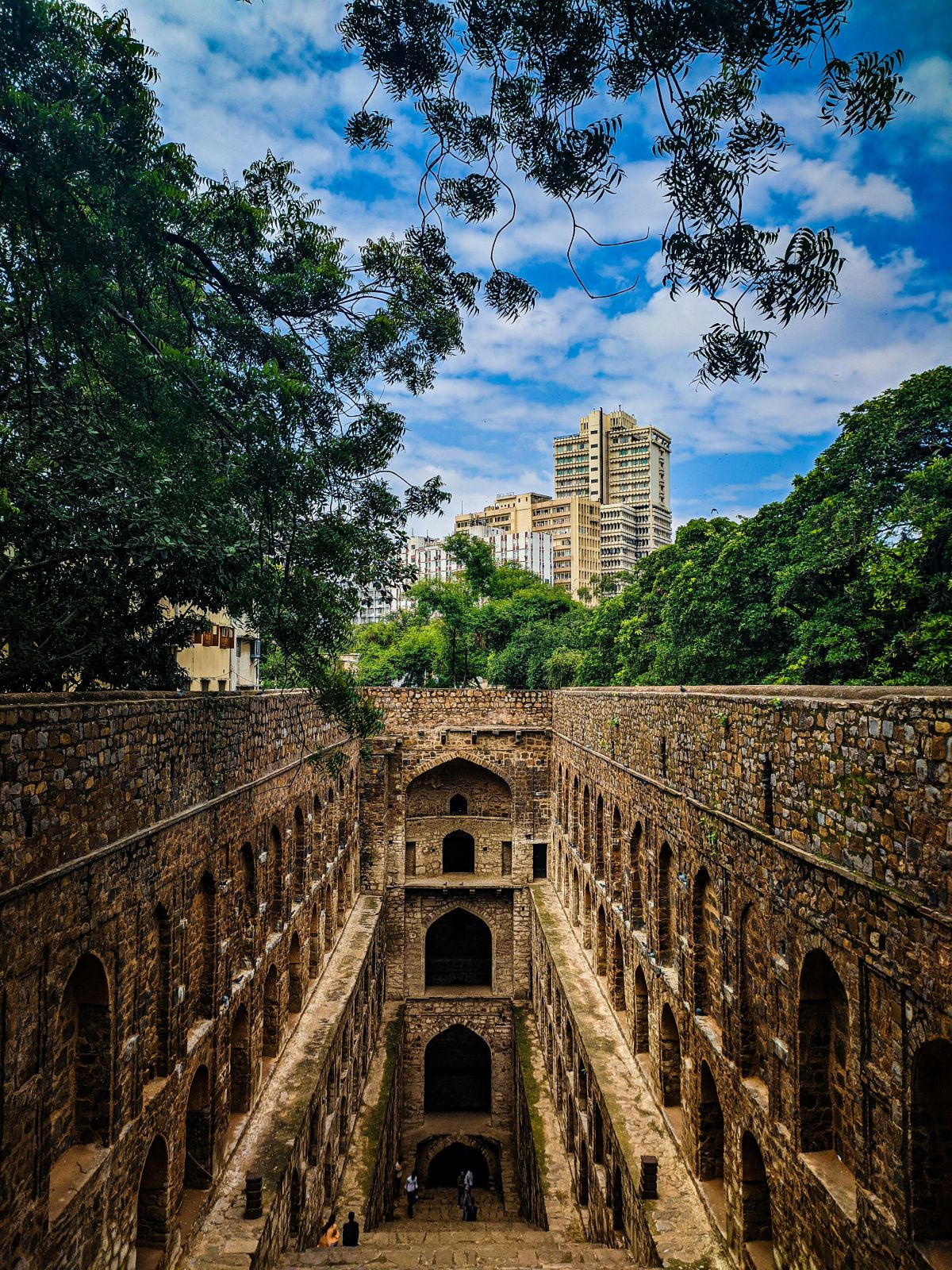
Hidden between the glass towers of Hailey Road, just minutes from Connaught Place, lies one of Delhi's most atmospheric and least visited treasures: Agrasen Ki Baoli. A 14th-century stepwell of haunting beauty and disputed history, it makes visitors question whether they have stumbled into an ancient city beneath the modern one.
What Is a Stepwell?
A baoli is a uniquely South Asian architectural form — a well where the water is reached not by rope and bucket, but by descending a long flight of steps. Stepwells were engineering marvels that combined water storage with social spaces: places to rest, trade, pray and escape the summer heat. Descending into a baoli could mean a temperature drop of 10 to 15 degrees Celsius.
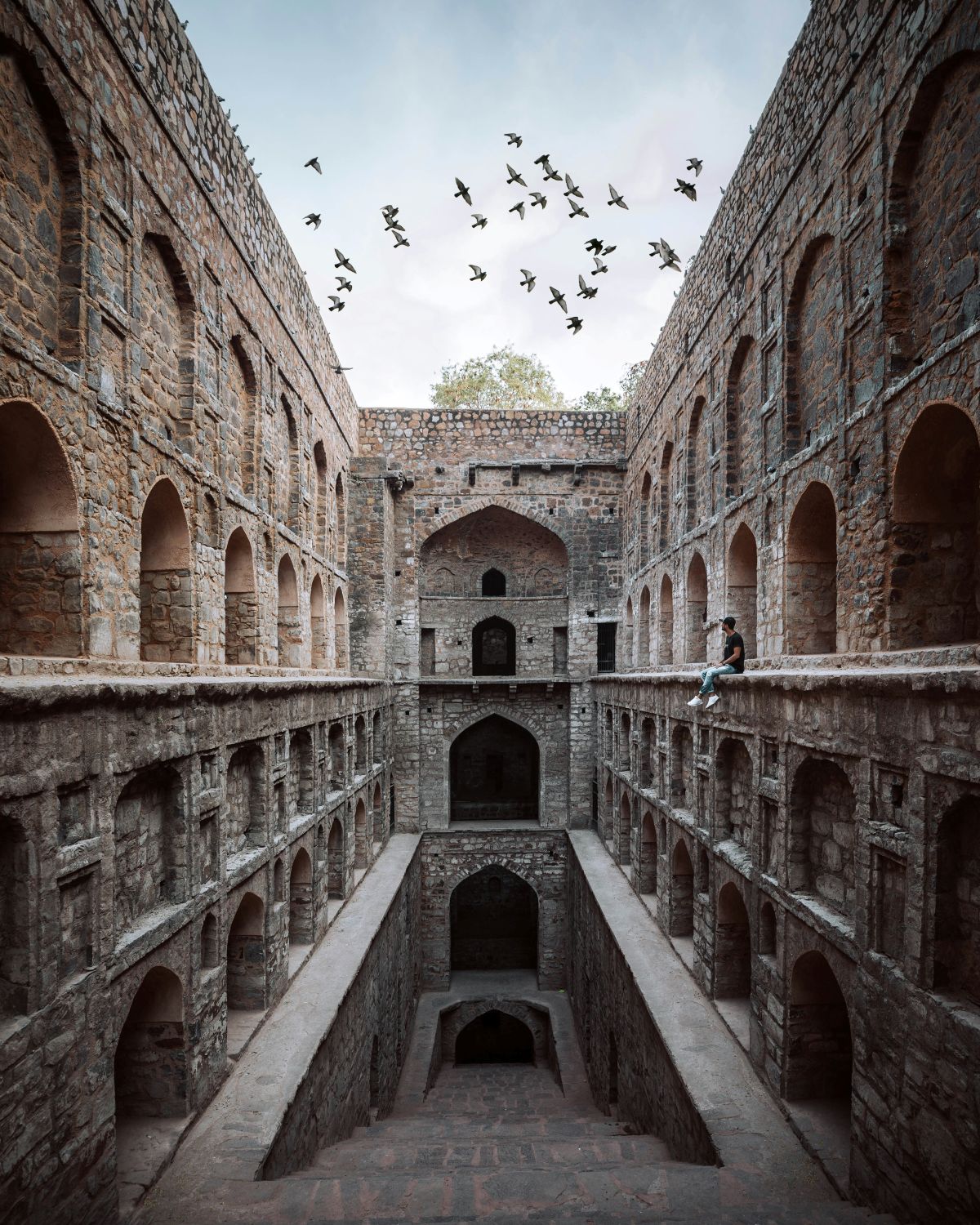
Agrasen Ki Baoli is particularly striking. Its 103 steps descend in three equal tiers to the water level, flanked by rows of arched niches and vaulted chambers that once served as resting rooms for travellers. The symmetry is remarkable — the further down you go, the more the modern city disappears.
The History — and the Mystery
Officially attributed to the legendary King Agrasen and rebuilt in the 14th century by the Agrawal community, the baoli's exact origins remain uncertain. What makes it fascinating is its reputation as one of Delhi's "haunted" sites. The truth is more poetic: the baoli's unusual acoustics, the way sound travels through its arched chambers, and the thick silence at the lower tiers create an atmosphere that feels genuinely otherworldly.
"Every time I bring someone here for the first time, there is a moment — usually around the fifth or sixth tier — where they stop talking. The baoli does that to people. It demands silence." — Mr. Ranajit Roy, GATGA Senior Guide
What to See and How to Visit
Agrasen Ki Baoli rewards the curious traveller who strays off the standard Delhi circuit. It is proof that the city's most extraordinary experiences are sometimes not in its most famous places.
Related Articles